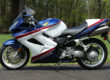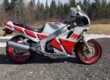

Update: Sold to a RSBFS Reader – Congratulations!
Introduced in 1992, Honda’s CBR900RR represented a watershed moment for the company, a bike that combined liter-bike power with 600cc weight and agility, shifting the focus from the 750cc machines that had, until that point, represented the ultimate in all-around motorcycle performance, to the literbikes that ultimately took their place. The magic trick that turned the motorcycling world on its ear? Honda simply crammed open-class power into a package with the weight and agility of a 600cc-sized machine. The new bike initially didn’t fit into the established racing formats and classes, but that was the point: the CBR900RR was the ultimate sports roadbike, with no racing pretensions.
Developed from Honda’s prototype CBR750RR, project head Tadao Baba’s ultimately took the bike in a different direction and decided to stroke the 750cc engine to 893cc, a move that that provided two distinct advantages. First, it meant the engine had the physical size of a 750cc engine, since the bores remained the same, allowing it to be stuffed into a smaller package than a conventional 900 or 1000cc engine. Second, the relatively long-stroke motor provided a massive increase in midrange performance and torque to go along with the claimed 111hp. It was powerful and very flexible, just the thing for road riders. Also: it had “speed holes” in the fairing. Possibly a motorcycling first.

The result was a bike that weighed in at 457lbs full of fluids, just 4lbs more than the CBR600F2 of the era. More telling? It was over 100 lbs lighter than the 1000cc machines produced by other manufacturers. Build quality was high, comfort was reasonable, and performance was a revelation: handling was on par with 600cc and 750cc bikes, but power was obviously in another league, and the CBR900RR had a top speed north of 160mph. The bike was gradually updated and lost the controversial “weight saving” 16-inch front wheel, somewhat flighty on-the-limit handling was tamed, upside-down forks were added, and the engine finally grew to 1000cc in 2004, but the original bike holds a special place in motorcycling history.
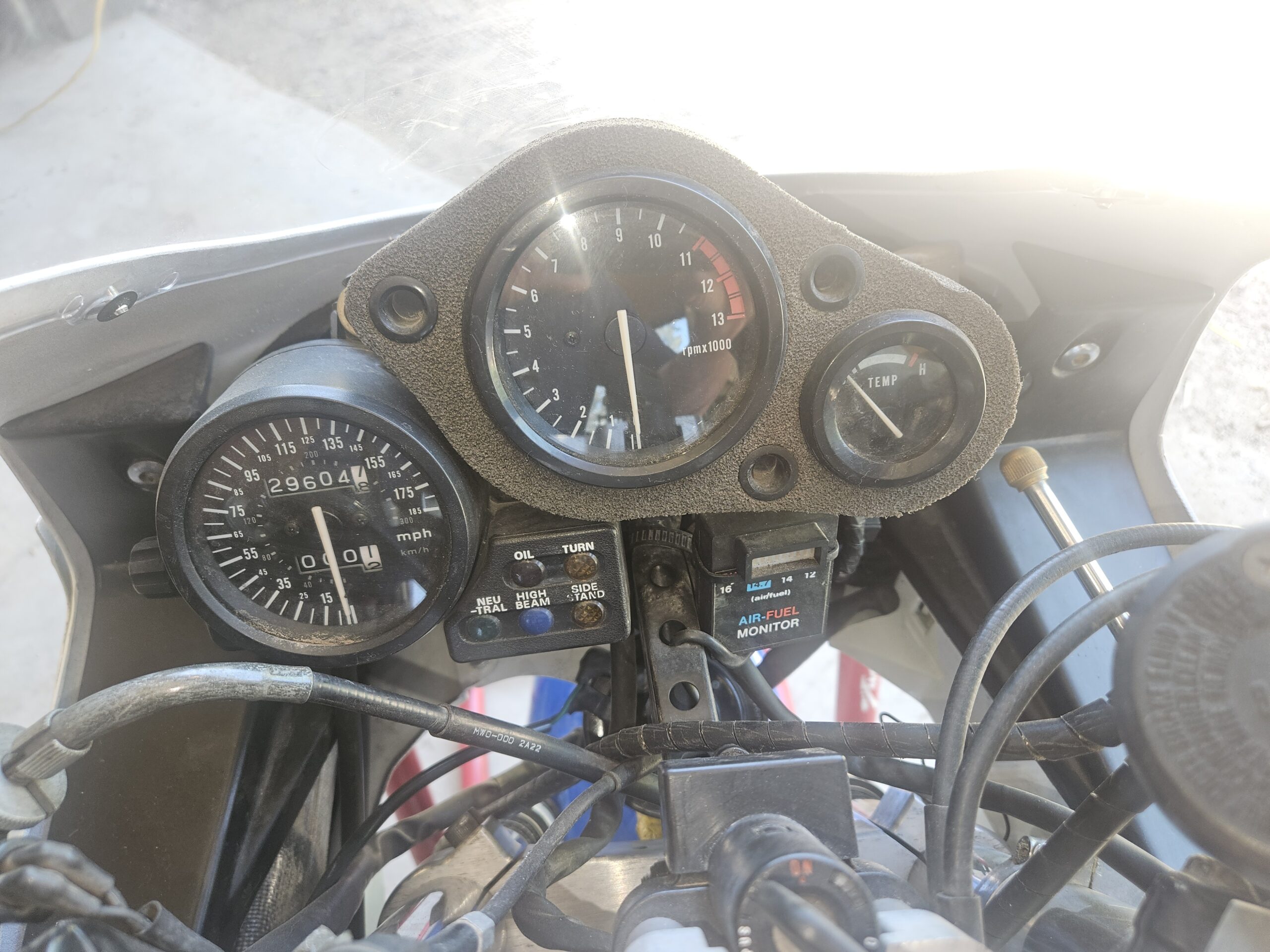
I’m moving, and I’m just not the right age anymore to be riding something like this.
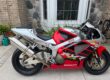
This bike is very fast—dyno’d at 155 horsepower at the rear wheel. You’ll get another 5–8 HP once the ram air system kicks in at speed.
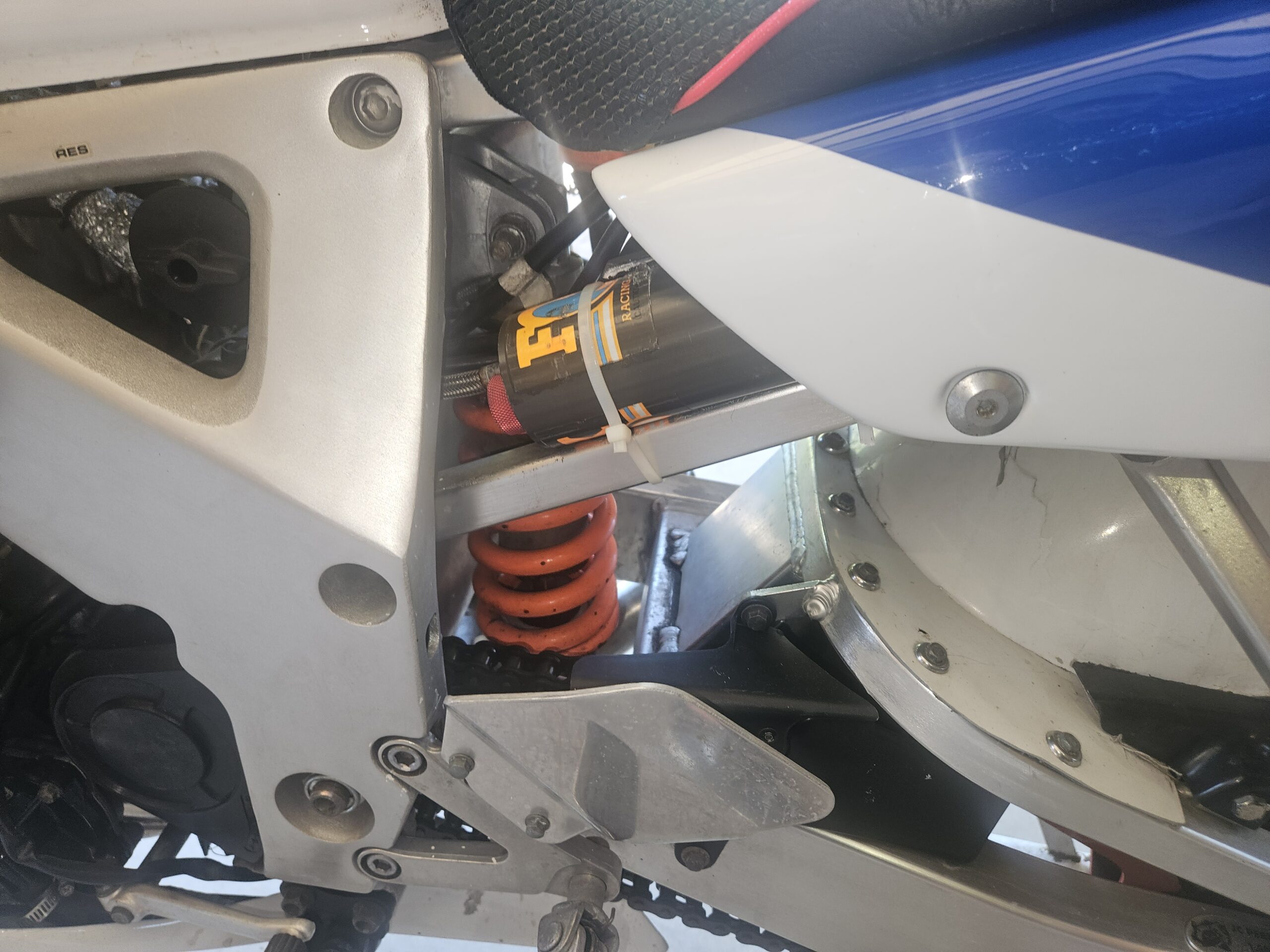
Mods include HRC racing pistons and cams, polished intake ports, and worked carbs for better air and fuel flow. It has a ram air system, upgraded front forks, billet aluminum triple clamps for added stability, and a stabilizer. It’s running Pacific Machine aluminum rims front and rear—front is 17″. Rear shock is a FOX. Also has new body fairings and a Mike Corbin driver’s seat and rear seat.
I did all the modifications after putting 5,000 miles on it. I started by swapping out the triple clamps to fix the head shake I’d get when accelerating through a turn. The improvement in stability was huge. Once that was dialed in, I kept going—improving the handling even more and then boosting power.
The bike has been cleaned up thoroughly. I stripped off the plastics, cleaned the frame and motor, drained the front forks, and refilled them with new oil. It also has fresh engine oil and filter, plus brand-new front and rear tires. I still have the original bodywork, rims, rear shock, and corner markers—all included.
Also included:
- Air lift (damaged, but still works great for most jobs)
- Front and rear stands (gets both wheels off the ground)
- Spare parts for this specific bike
- Bates racing suit, boots, and helmet (I’m 5’8″, boot size 8.5)
Check out the ebay listing
Shipping not included, but I’m happy to assist on my end.See 2 videos below: The first is focused on the bike and the second shows the lift.
Obviously, this particular Honda CBR900RR is no garage queen, or unmodified, low-mile collectible. It’s an evolutionary machine that’s had incremental improvements and updates made to significantly increase power and handling: the quoted [dyno’d] 155hp is no joke for an engine of this displacement and from this era. If you’re looking for a new-in-crate bike to display in your man-cave, or a pristine, unmodified bike for gentle Sunday rides to your local cafe, this one isn’t for you. It’s a little rough around the edges, but it embodies something I love about motorcycles: a lifelong project. Keep in mind that he has all of the original parts, so this could be put back into a more collectible configuration. I feel like someone could turn this into an amazing “classic” race or trackday bike, or go the other direction and restore it to something that looks almost stock, but still takes advantage of the decades of development that have gone into the bike, along with that fire-breathing motor.
-tad