
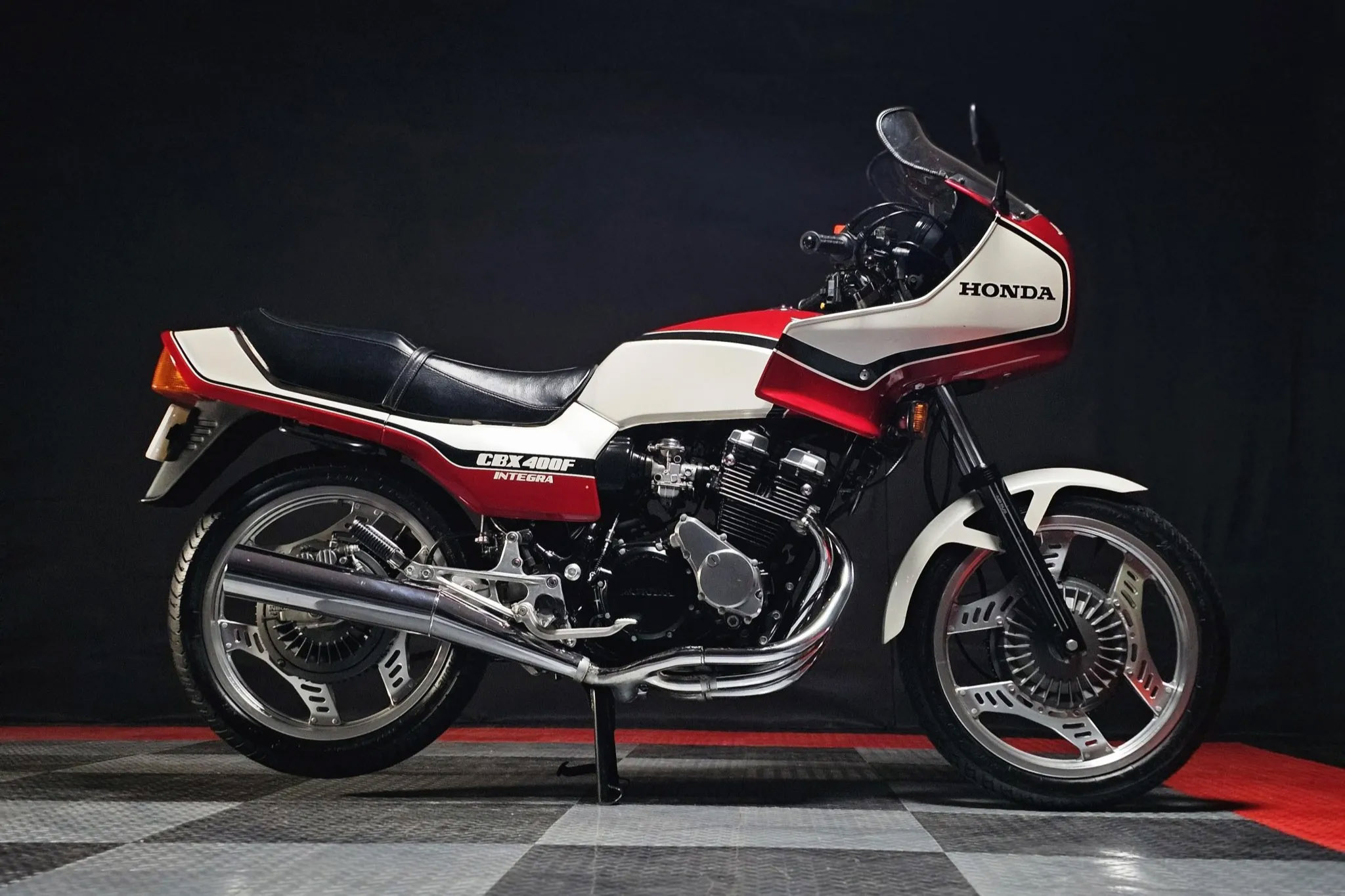
1982 Honda CBX400F Integra
Miles: 4,100
Clean Title
Bid at post: $10,000
Auction ends: Jan 8
Straight from BaT
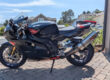
This 1982 Honda CBX400F Integra was produced for the Japanese market prior to being imported to the US in 1983, and it spent time in multiple collections before being purchased by the owner in 2022. It is finished in white, black, and red, and it is powered by an air-cooled 399cc inline-four paired with a six-speed transmission. Features include 18″ Comstar alloy wheels, a black two-up seat, a four-into-two exhaust system, dual overhead cams, enclosed ventilated disc brakes, a front fairing, dual mirrors, a clear windscreen, an air-adjustable front end with TRAC, a Pro-Link rear end, and both center and side stands. This NC07 is now offered by the seller on behalf of the owner with service records and a Pennsylvania title in the current owner’s name.
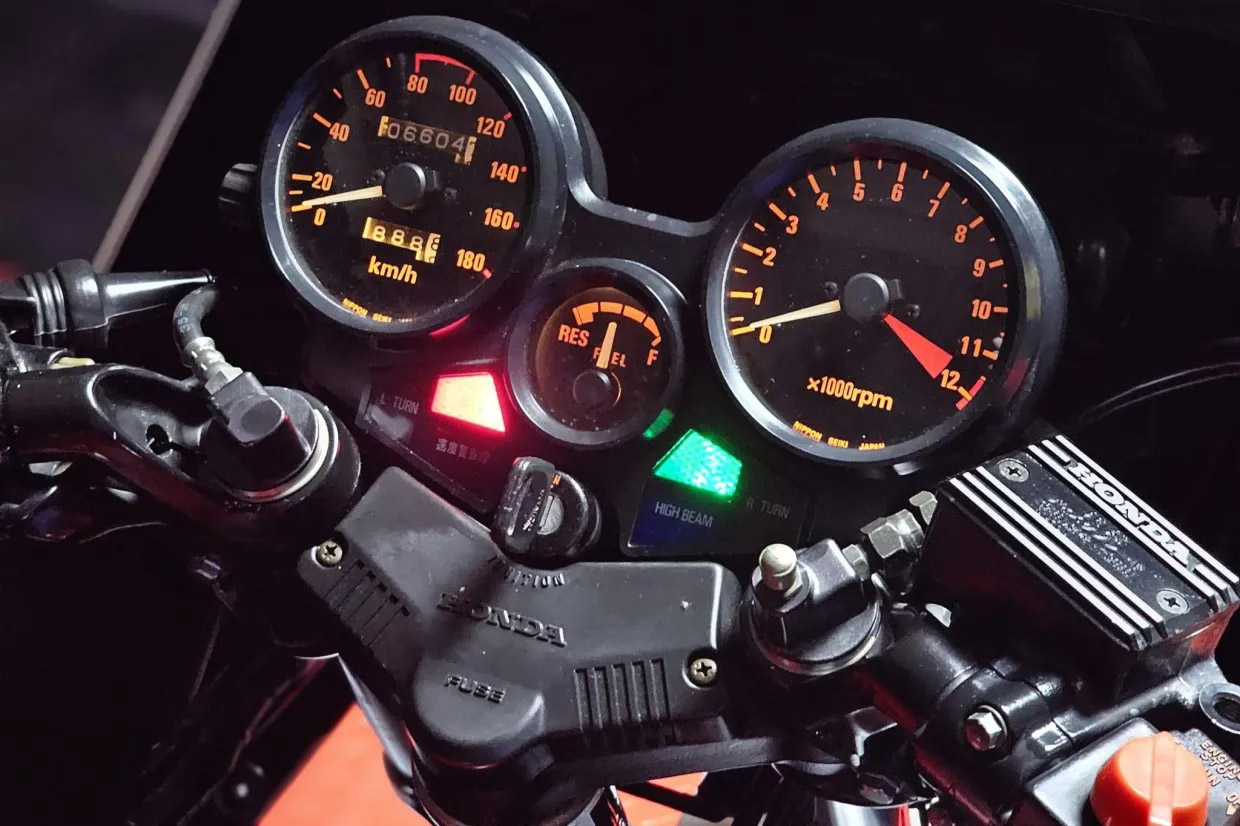
- Chassis: NC071028376
- Japanese-Market Example
- 6,600 Kilometers (~4,100 Miles) Shown
- 399cc DOHC Air-Cooled Inline-Four
- Six-Speed Transmission
- White, Black, and Red Paint
- Black Two-Up Seat
- 18″ Comstar Alloy Wheels
- Front Fairing
- Four-into-Two Exhaust System
- Enclosed Ventilated Disc Brakes
- Clear Windscreen
- Air-Adjustable Front End w/TRAC
- Pro-Link Rear End
RSBFS
We’ve always had a soft spot for gray-market machines. From the earliest days of the site, those rare, market-specific bikes have represented some of the most interesting corners of motorcycling history. The Honda CBX400F is a perfect example—and Tad summed it up better than we ever could: “Introduced in 1981, the CBX400F was powered by a very oversquare for the period 55x42mm, 399cc air-cooled inline four with dual overhead cams and four valves per cylinder, backed by a six-speed gearbox. Honda claimed 48hp at what reviewers called a “screaming” 11,500rpm. The exhaust is notable for not being a simple 4-into-1 like the original CB400F. Instead, it features several strategically-placed crossovers to maximize midrange power. Brakes were inboard front and rear, although I’ve never really understood the concept on a motorcycle. On a car, inboard disc brakes remove the discs and calipers from the wheel hubs, significantly reducing unsprung weight. On a bike, they’re still… attached to the wheels, and therefore still sprung weight. And enclosed, making cooling potentially much more difficult. Still, they look cool and, even if they’re just an 80s dead-end, bikes of the era were littered with elements of almost compulsive technological advancement and, to me, that’s just part of their charm.”
Good luck to the buyer and seller!

Wow, that’s a good-lookin’ machine!
I saw these often in Germany. People bought them as a learner bike and wound up keeping them.
Nice example, but the price seems very optimistic.
Vincent Ochs, that’s the current bid. $14,000, crazy . . .